Cold snaps along the Wasatch Front reveal issues that went unnoticed during fall. In Sandy, furnaces work hard through lake-effect storms, freeze-thaw cycles, and dust from the bench. Small problems can turn into no-heat emergencies fast. This article explains the problems technicians see most in Sandy homes, what symptoms to watch, and when to call for furnace repair in Sandy, Utah.
Short cycling in cold, dry air
Short cycling means the furnace turns on and off in quick bursts. In Sandy, it often shows up after the first deep freeze. A dirty flame sensor is the most common cause. The sensor loses its thin protective coating because of dry air and fine dust. The burner lights, then shuts down within seconds.
A clogged filter can trigger the same pattern. Restricted airflow overheats the heat exchanger and trips the high-limit switch. The system cools, resets, and repeats. If the furnace starts and stops every two to five minutes, it wastes gas, stresses parts, and raises bills.
Homeowners sometimes replace a thermostat, only to find the problem remains. A quick test is to install a fresh pleated filter, clean the return grilles, and check supply vents for blockage behind couches and rugs. If short cycling continues, schedule furnace repair in Sandy so a technician can clean the flame sensor, check static pressure, and test safeties.
No heat on the coldest mornings
Sandy’s coldest hours hit before sunrise. A furnace that ran fine at 10 pm may show a hard lockout by 6 am. Typical culprits are a pressure switch that sticks, a blocked condensate drain on high-efficiency models, or a weak igniter.
In two-story homes east of 1300 East, installers often use long vent runs to reach exterior walls. Frost can build at the termination cap. The inducer motor struggles to pull air, the pressure switch never proves draft, and the board cancels the heat call. Clearing frost or debris at the intake and exhaust can restore operation. Condensing furnaces may have frozen or sludged condensate traps; a technician can thaw lines, flush the trap, and re-prime it.
Igniters wear out every 5–8 years on average. Homeowners notice a repeated click without flame, or the burner lights and drops out. Replacing an igniter is a fast repair if the part is stocked. Western Heating, Air & Plumbing trucks carry common igniters for Trane, Lennox, Carrier, and Rheem units found across Sandy neighborhoods from Alta View to Granite.
Cold spots and weak airflow
Homes near Dimple Dell often have mixed ductwork: some original, some remodeled. Weak airflow in one room usually traces to a crushed flex run in an attic knee wall, a closed damper, or a dirty evaporator coil above the furnace. Even in winter, the indoor coil can collect dust and dog hair. Air must pass through it to reach registers. If the filter has been bypassing, the coil may be matted. The furnace overheats, perf rooms feel cold, and the blower gets loud.
Another Sandy-specific factor is high basement humidity after heavy snow. Moisture can swell fiberboard ducts or loosen joints. Air leaks at seams rob airflow from distant bedrooms. A smoke test and static pressure reading will confirm losses. Sealing gaps and correcting flex runs usually restore comfort without major duct replacement.
Strange smells at startup
A dusty, hot odor for the first hour of the season is normal. Ongoing smells are not. A sharp electrical odor hints at a failing blower motor or capacitor. A sulfur-like smell calls for an immediate gas check. A sweet, acidic odor near a high-efficiency furnace can point Discover more here to a cracked condensate hose or trap allowing flue gases into the space. Techs in Sandy frequently replace brittle vinyl condensate hoses that have sat next to hot heat exchangers for years.
If a carbon monoxide alarm chirps or anyone has headaches or nausea, ventilate the home and call for service. Western Heating, Air & Plumbing performs combustion analysis and heat exchanger inspections, which go beyond a visual check.
Thermostat confusion after smart upgrades
Smart thermostats are common in new builds and renovations from Pepperwood to High Point. Many need a common wire. Without it, furnaces can chatter relays or short cycle. Some systems have heat pump controls paired with gas furnaces; incorrect mode settings create lukewarm air or long runtimes.
Another frequent issue is dead batteries in wireless sensors during a cold snap. The furnace receives conflicting calls and flips between stages. A technician can verify wiring at the control board, set fan profiles correctly, and confirm that sensor placement matches the home’s layout.
Pilot and flame issues in older furnaces
Homes with mid-90s equipment still common west of State Street may have intermittent pilot or weak flame due to low gas pressure, rust in the burner assembly, or a partially blocked orifice. Wind gusts in the canyon corridor sometimes blow out a weak pilot if the combustion door is loose. Cleaning burners, setting proper gas pressure, and replacing worn gaskets usually stabilizes operation. If parts are obsolete and the heat exchanger shows corrosion, a replacement quote is prudent. Many Sandy homeowners reach break-even on a modern two-stage furnace within 5–7 winters when factoring gas savings and fewer service calls.
Loud bangs, rattles, and whines
A loud bang at startup often means delayed ignition. Gas pools before lighting, then ignites with a thump. Dirty burners or misaligned crossover ports are to blame. Rattles point to loose sheet metal or blower mounts. A high-pitched whine often comes from a failing inducer motor bearing.
These sounds are more than annoyances. Delayed ignition can crack a heat exchanger over time. Address it early. Technicians can pull and clean burners, check manifold pressure, and lubricate or replace motors before they fail on a zero-degree night.
High bills without better comfort
If gas usage jumps 15–30 percent year-over-year with similar weather, look at three areas: filter and coil cleanliness, thermostat schedules, and combustion efficiency. A combustion test revealing low oxygen and high carbon monoxide in the flue means fuel is not burning completely. Small adjustments to gas pressure and air mix can recover efficiency. In Sandy, Western’s techs often find supply duct leaks in unfinished basements that heat storage rooms instead of living spaces. Sealing those leaks pays back quickly.
DIY that helps vs. jobs that should wait
A few quick checks can prevent a service call or make a technician’s visit faster and cheaper.
- Replace the filter every 1–2 months in winter, sooner with pets or construction dust. Verify the outdoor intake and exhaust pipes are clear of frost, nests, and leaves. Set the thermostat to Heat, fan Auto, and confirm the schedule is correct after power outages. Keep at least 80 percent of supply registers open to prevent high static pressure. Look for water around the furnace; shut it down and call if you see pooling.
Electrical work inside the cabinet, gas pressure adjustments, control board replacement, and heat exchanger inspections should be handled by a licensed pro. Modern safety controls are sensitive, and well-meant guesses can create larger failures.
What a thorough furnace repair visit includes
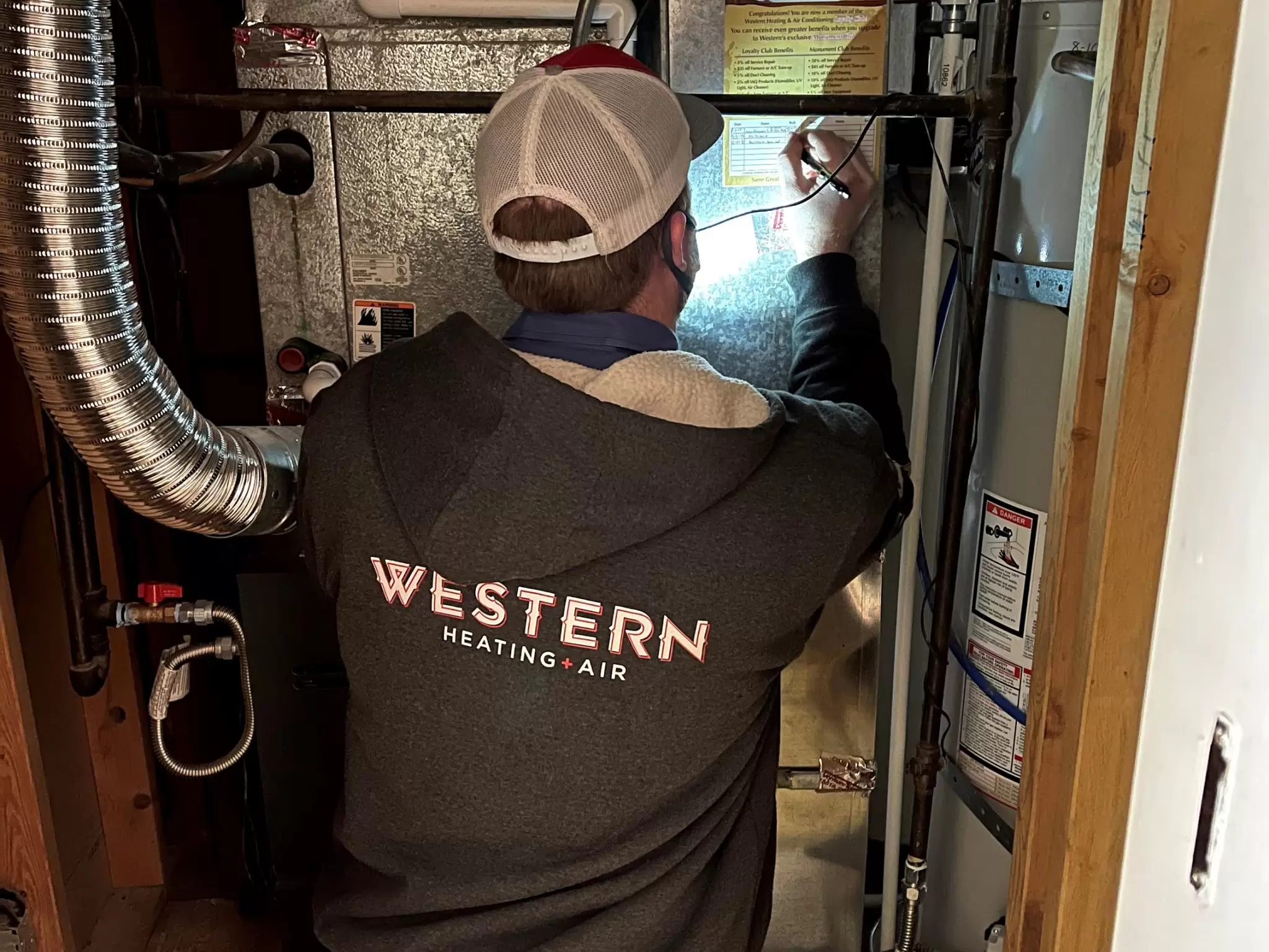
Homeowners often ask what they are paying for beyond a quick part swap. A proper service call in Sandy should include ignition system testing, flame sensor microamp reading, inducer and blower amperage checks, temperature rise measurement across the heat exchanger, static pressure measurement, and combustion analysis on gas models. On high-efficiency units, the technician should also clean the condensate trap and verify proper slope and freeze protection on drain lines. This process catches hidden issues that create repeat breakdowns.
Western Heating, Air & Plumbing follows this checklist on every furnace repair in Sandy, Utah. Technicians carry most common parts to reduce second trips. If a furnace is within a few years of replacement, they can price both repair and replacement so the homeowner can compare cost, warranty, and efficiency.
Timing matters in Sandy’s winter
Weather changes fast along the bench. If a furnace sounds different, struggles to stay on, or shows an error code on the board window, act before the next cold front. Early evening slots and Saturday mornings book quickly after storms. Western’s dispatch team prioritizes no-heat calls for families with infants, seniors, or medical needs and can often provide same-day furnace repair in Sandy.
Ready for reliable heat?
Whether it is short cycling, a stuck pressure switch, or a failing igniter, a fast diagnosis keeps the home comfortable and safe. For prompt, local service from techs who work on Sandy homes every day, contact Western Heating, Air & Plumbing. Call, text, or book online to schedule furnace repair in Sandy. The team serves zip codes 84070, 84092, and 84094, and nearby neighborhoods, with clear pricing and thorough workmanship.
Western Heating, Air & Plumbing provides HVAC and plumbing services for homeowners and businesses across Sandy and the surrounding Utah communities. Since 1995, our team has handled heating and cooling installation, repair, and upkeep, along with ductwork, water heaters, drains, and general plumbing needs. We offer dependable service, honest guidance, and emergency support when problems can’t wait. As a family-operated company, we work to keep your space comfortable, safe, and running smoothly—backed by thousands of positive reviews from satisfied customers.
Western Heating, Air & Plumbing
9192 S 300 W
Sandy,
UT
84070,
USA
231 E 400 S Unit 104C
Salt Lake City,
UT
84111,
USA
Phone: (385) 233-9556
Website: https://westernheatingair.com/, Furnace Services
Social Media:
Instagram |
Facebook |
BBB
Map: View on Google Maps